







Company Profile
Shandong Synergy Tech Co., Ltd is a leading manufacturer of chemical materials, adsorbents, desiccants, and catalysts in Petroleum and petrochemical industry. Our company, founded in 2015, is situated in Zibo, Shandong, a renowned city for its classical heavy industries. We operate on a 30 mu area, with a registered capital of 16 million yuan and a dedicated team of 115 employees, including 6 senior engineers and 10 technical engineers.
At our company, we are committed to the development and production of the most advanced, reliable, and cost-effective materials, catalysts and adsorbents. We have successfully established partnerships with renowned international companies such as China National Petroleum Corporation, Sinopec, and Petrochemical Industry Companies from Germany, Britain, Kuwait, Saudi Arabia, Jordan, South Korea, New Zealand, Thailand, Indonesia, the Philippines, and other countries worldwide.
Why choose us?
High quality
Our products are manufactured or executed to very high standards, using the finest materials and manufacturing processes.
Professional team
Our professional team collaborate and communicate effectively with one another, and are committed to delivering high-quality results. They are capable of handling complex challenges and projects that require their specialized expertise and experience.
Long warranty
The long-term warranty is designed to give consumers more confidence that their purchases and services will continue to be valid.
Rich experience
Dedicated to strict quality control and attentive customer service, our experienced staff is always available to discuss your requirements and ensure complete customer satisfaction.
What is Catalysts
Catalysts are substances that increase the rate of a chemical reaction without being consumed in the process. They provide an alternative pathway for the reaction with a lower activation energy, making it proceed more quickly. The primary role of a catalyst is to facilitate the transformation of reactants into products by providing a surface on which the reactant molecules can adsorb and interact.

●When a chemical reaction is performed in the presence of a catalyst, less energy is consumed.
●Since catalysts are not consumed in a reaction, they can be reused for other chemical reactions.
●It accelerates the reaction and reduces production expenses.
●A small amount of catalyst is sufficient to carry out a chemical reaction.
●It permits the reaction to occur at a significantly lower temperature.
Types of Catalysts
In homogeneous catalysis, reaction mixture and catalyst both are present in the same phase. Both catalyst and reactants show high homogeneity which results in high interaction between them that leads to high reactivity and selectivity of the reaction under mild reaction conditions. Some examples of homogeneous catalysts are brønsted and Lewis acids, transition metals, organometallic complexes, organocatalyst. Some notable chemical processes that occur through homogeneous catalysis are carbonylation, oxidation, hydrocyanation, metathesis, and hydrogenation.
In heterogeneous catalysis, catalysts exist in a different phase than the reaction mixture. Some of the exemplary processes that use heterogeneous catalysts are Haber-Bosch process for the synthesis of ammonia, Fischer–Tropsch process to produce a variety of hydrocarbons. Heterogeneous catalysts dominate major industrial processes because of the easy separation of product and recovery of catalyst. Heterogeneous catalysts may be used as fine particles, powders, granules. These catalysts may be deposited on the solid support (supported catalysts), or used in bulk form (unsupported catalysts).
Supported catalyst play a pivotal role in the industrial revolution. As heterogeneous catalysis is a surface phenomenon, the performance of catalysts depends on the exposed surface area. Exposed surface area increases with decreasing particle size but the smaller particles tend to aggregate and result in the deactivation of the catalyst. Tethering of catalytic active site on solid support prevent the agglomeration of catalytic particles, hence improve the catalytic performance. For industrial application, solid supports considered to have high chemical, mechanical and thermal stability. In addition, it must be inert and high surface to volume ratio. Generally used organic solid supports can be polymers (e.g. polystyrene), copolymers (e.g. styrene-divinylbenzene) and inorganic supports such as silica, zeolites, alumina, activated carbon, titanium dioxide, graphene.
Unsupported catalysts occupy the large section of industrial catalysis. This includes metals, metals alloys, metal oxides, metal sulphides, zeolites etc.
Heterogeneous catalysts in contrast to their homogeneous counterparts are much more difficult to develop practically. One reason is their complexity, which precludes their analysis at a molecular level and development through structure–reactivity relationships. In addition, traditional heterogeneous catalysts (metal oxides or supported metals) exhibit less selectivity and reactivity. In order to surmount these issues, the homogeneous catalyst is grafted onto the solid supports to prepare their heterogenic analogs. Presently, the solid-supported homogeneous catalysts are widely recognized and well exploited in academic and industrial research. The aim of this approach is to overlap the positive features of both homogeneous (selectivity and reactivity) and heterogeneous catalyst (reproducibility) and this can be achieved through the immobilization of catalysts such as metal complexes, organometallic compounds on the solid surface either through physisorption or chemisorption. Covalent grafting of catalytic active species on solid surfaces is found to be the most favoured approach for designing heterogenized homogeneous catalyst.
Natural proteins (enzymes) or nucleic acids (RNA or ribozymes and DNAs) used to catalyze specific chemical reactions outside the living cells is called biocatalysis. Enzymes are obtained from animal tissues, plants and microbes (yeast, bacteria or fungi). High selectivity, high efficiency, eco-friendliness and mild reaction conditions are the driving forces for their large scale utilization and making biocatalysts an alternative to conventional industrial catalysts. Significant progress in the field of protein engineering and molecular evolution has revolutionized the world of biocatalysis for the industrial scale syntheses of fine chemicals, active ingredients (APIs) biofuels (e.g. lipase for the production of biodiesel from vegetable oil), dairy industry (e.g. protease, lipase for lactose removal, renin for cheese preparation), baking industry (e.g. amylase for bread softness and volume, glucose oxidase for dough strengthening), detergent manufacturing (e.g. proteinase, lipase, amylase used to remove stains of proteins, fats, starch, respectively) leather industry (e.g. protease for unhairing and bating), paper industry, textile industry (e.g. amylase for removing starch from woven fabrics). Immobilization of enzymes on solid supports turns enzymes into heterogeneous solid catalyst which enhances the activity, stability and increase the lifetime of catalyst that can be reused for many cycles.
Important heterogeneous catalysts include zeolites, alumina, higher-order oxides, graphitic carbon, transition metal oxides, metals such as Raney nickel for hydrogenation, and vanadium(V) oxide for oxidation of sulfur dioxide into sulfur trioxide by the contact process.
Properties of Catalysts
●A catalyst remains unchanged in mass and composition at the end of the reaction: This means the catalyst which we have taken at the starting of the reaction and the catalyst which we get at the end of the reaction its mass and composition is the same. It does not mean that the catalyst will remain the same in its physical state also.
●Catalyst is specific in action: This means that a particular substance can act as a catalyst only for a specific reaction, not for others. For example, HNO2 decomposes KMnO3 But not KMnO4. The notable exception being the transition metals which can catalyse a variety of reactions.
●Nature of products remains unchanged by the presence of a catalyst: That is the reaction reactants to product cycle it’s same but the catalyst only increases the weight of the reaction. There are some exceptions for the catalyst which make different products have different conditions.
●Catalyst does not alter the position of equilibrium: Catalyst only helps in the attending of the equilibrium more quickly because it increases the rate of forwarding reaction as well as backward reaction. It does not affect the concentration so equilibrium constant remains the same.
●Catalyst does not initiate the reaction: This is a controversial topic as there are certain reactions that do not occur in absence of the catalyst.
Application of Catalysts
In industry
Catalysts play a crucial role in various manufacturing activities, including the production of food and petroleum. They help in the manufacturing of chemicals and industrial refinement. Since catalyst control the activation energy needed to initiate chemical reactions, they make chemical production processes safer, simpler, and faster. Furthermore, catalysts are used in the manufacturing process of about 90% of all industrial chemicals produced worldwide. The following are some examples of catalysts used in industry:
●Iron: The Haber process uses iron to produce ammonia.
●Platinum: This metal is utilized in the Ostwald process, which produces nitric acid.
●Nickel: It is utilized in the production of vegetable ghee.
●Platinum and rhodium: These metals are employed in catalytic converters.
●Vanadium Oxide: This catalyst is utilized in the contact process to produce sulfuric acid.
In daily life
Enzymes are the biological catalysts that catalyze all of the metabolic processes that occur in our bodies and show the nature of the protein. A few nucleic acids also function as enzymes.
The following are some examples of biological enzyme-catalyzed reactions:
Glucose to ethyl alcohol conversion- Zymase in yeast converts glucose to ethanol and carbon dioxide.
●Pepsin, an enzyme, breaks down proteins into peptides in the stomach.
●Rennin (an enzyme found in newborns) helps in the digestion of milk protein.
●Several enzymes found in pancreatic juice, such as trypsin and chymotrypsin, convert proteins into peptides.
●Nucleases are enzymes that convert nucleic acids into nucleotides.
●Lactobacillus produces lactic acid that converts milk into curd.
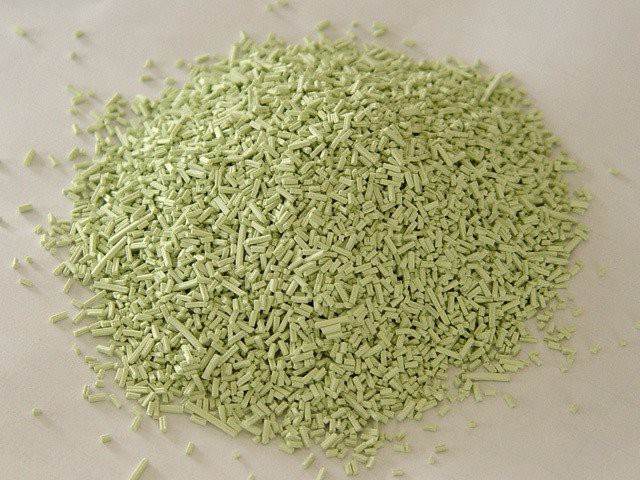
Catalysts enable pathways that differ from the uncatalyzed reactions. These pathways have lower activation energy. Consequently, more molecular collisions have the energy needed to reach the transition state. Hence, catalysts can enable reactions that would otherwise be blocked or slowed by a kinetic barrier.
How to Maintain Catalysts
Regular inspection
Perform routine checks to monitor the physical state of the catalyst, including any signs of degradation, contamination, or wear.
Monitor performance
Track the catalyst’s activity and selectivity over time through analytical methods such as gas chromatography to identify any performance decline.
Temperature control
Maintain the catalyst at the recommended operating temperature to prevent thermal deactivation. Avoid cycling the temperature too rapidly, as this can cause stress and damage.
Pressure management
Ensure that the catalyst bed operates within the specified pressure range to avoid mechanical failure or changes in pore structure.
Feedstock purity
Keep the feedstock free of poisons and impurities that could deactivate the catalyst. Regular purification processes may be necessary.
Prevent leaching
For homogeneous catalysts, prevent leaching into the reaction mixture by using appropriate solvents and process conditions that minimize metal loss.
Regeneration
If the catalyst becomes deactivated, attempt regeneration through processes such as thermal treatment, chemical cleaning, or oxygenation to remove coke or poisons.
Replacement
Identify when a catalyst has reached the end of its useful life and replace it before significant production losses occur. Proper disposal or recycling should be considered.
Storage
When not in use, store catalysts properly to prevent exposure to moisture, air, or contaminants that could degrade their performance.
How to Choose Catalysts
When selecting a catalyst, the first step is to define the desired outcome of the reaction in terms of product yield, selectivity, purity, quality, reaction rate, temperature, and pressure. This will help narrow down the possible types of catalysts that can facilitate the reaction. Generally, you should look for a catalyst that has high activity and selectivity for the desired product, as well as stability over time and under different conditions. Additionally, consider the cost and environmental impact of the catalyst when selecting one that is suitable for the scale of your reaction.
Catalysts Screening Methods
Once you have identified potential candidates for the catalyst, you need to test them in the laboratory or on a small scale to compare their performance and suitability. There are different methods for catalyst screening, such as batch reactor, continuous stirred tank reactor (CSTR), plug flow reactor (PFR), fixed bed reactor, and fluidized bed reactor. For example, in a batch reactor, a closed vessel is used where the reactants and the catalyst are mixed and heated or cooled to a desired temperature. The reaction is monitored by sampling the mixture at different time intervals and analyzing the product composition and concentration. On the other hand, CSTR is a vessel where the reactants and catalyst are continuously fed and removed at a constant rate. The reaction is maintained at a steady state, where the product composition and concentration are constant and independent of time. PFR is a long tube where the reactants and catalyst are continuously fed from one end and removed from the other end. The reaction occurs along the length of the tube, where product composition and concentration vary with position and residence time. In addition, fixed bed reactors have catalyst packed in solid form with reactants flowing through it. Lastly, fluidized bed reactors have fine particles of catalyst suspended and mixed by gas or liquid stream. The reaction occurs in this fluidized state of catalyst, with product composition and concentration influenced by fluid velocity and temperature.
Examples of Common Catalysts
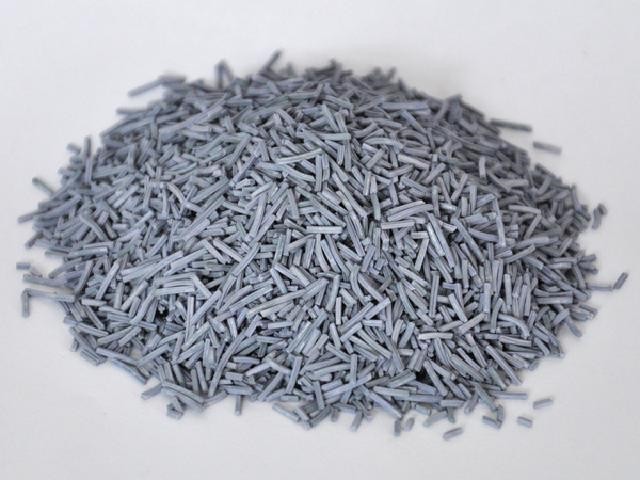
Catalysts are substances that are used to speed up chemical reactions and achieve a desired outcome. Metals, acids, bases, and enzymes are some of the most common types of catalysts. Transition metals or alloys with high surface area and electronic properties are often used for hydrogenation, oxidation, and reforming reactions. For example, platinum is a catalyst for the oxidation of carbon monoxide to carbon dioxide, which is used in catalytic converters to reduce air pollution from vehicles. Similarly, acids and bases can donate or accept protons or electrons and affect the acidity or basicity of the reaction medium. They are often used for acid-base catalyzed reactions, such as esterification, hydrolysis, and alkylation. Sulfuric acid is a catalyst for the production of ethyl acetate from ethanol and acetic acid, which is used as a solvent and flavoring agent. Enzymes are biological molecules that act as catalysts for biochemical reactions. They are highly specific and efficient, and can operate under mild conditions. Amylase is an enzyme that catalyzes the breakdown of starch into glucose, which is used for brewing and baking.

Challenges and Opportunities for Catalyst Development
The field of catalysis and reaction engineering is constantly evolving, with new challenges and opportunities arising for catalyst development. Currently, there is a focus on green chemistry, which involves the design of chemical processes and products that reduce or eliminate hazardous substances while minimizing environmental impact. Nanotechnology offers the possibility of creating novel catalysts with enhanced activity, selectivity, and stability. Additionally, computational catalysis uses computational methods and tools to model, simulate, and predict the behavior and performance of catalysts and reactions, helping to understand the fundamental mechanisms and kinetics of catalysis. All of these advancements are aimed at designing and optimizing new catalysts and processes while reducing time and cost.
Our Factory
Shandong Synergy Tech Co., Ltd is a leading manufacturer of chemical materials, adsorbents, desiccants, and catalysts in Petroleum and petrochemical industry. Our company, founded in 2015, is situated in Zibo, Shandong, a renowned city for its classical heavy industries. We operate on a 30 mu area, with a registered capital of 16 million yuan and a dedicated team of 115 employees, including 6 senior engineers and 10 technical engineers.


FAQ
We're professional catalysts manufacturers and suppliers in China. If you're going to buy high quality catalysts made in China, welcome to get more information from our factory.