



Company Profile
Shandong Synergy Tech Co., Ltd is a leading manufacturer of chemical materials, adsorbents, desiccants, and catalysts in Petroleum and petrochemical industry. Our company, founded in 2015, is situated in Zibo, Shandong, a renowned city for its classical heavy industries. We operate on a 30 mu area, with a registered capital of 16 million yuan and a dedicated team of 115 employees, including 6 senior engineers and 10 technical engineers.
At our company, we are committed to the development and production of the most advanced, reliable, and cost-effective materials, catalysts and adsorbents. We have successfully established partnerships with renowned international companies such as China National Petroleum Corporation, Sinopec, and Petrochemical Industry Companies from Germany, Britain, Kuwait, Saudi Arabia, Jordan, South Korea, New Zealand, Thailand, Indonesia, the Philippines, and other countries worldwide.
Why choose us?
High quality
Our products are manufactured or executed to very high standards, using the finest materials and manufacturing processes.
Professional team
Our professional team collaborate and communicate effectively with one another, and are committed to delivering high-quality results. They are capable of handling complex challenges and projects that require their specialized expertise and experience.
Long warranty
The long-term warranty is designed to give consumers more confidence that their purchases and services will continue to be valid.
Rich experience
Dedicated to strict quality control and attentive customer service, our experienced staff is always available to discuss your requirements and ensure complete customer satisfaction.
Purfication Adsorbents of includes the following products
Paraffin Separation Adsorbents
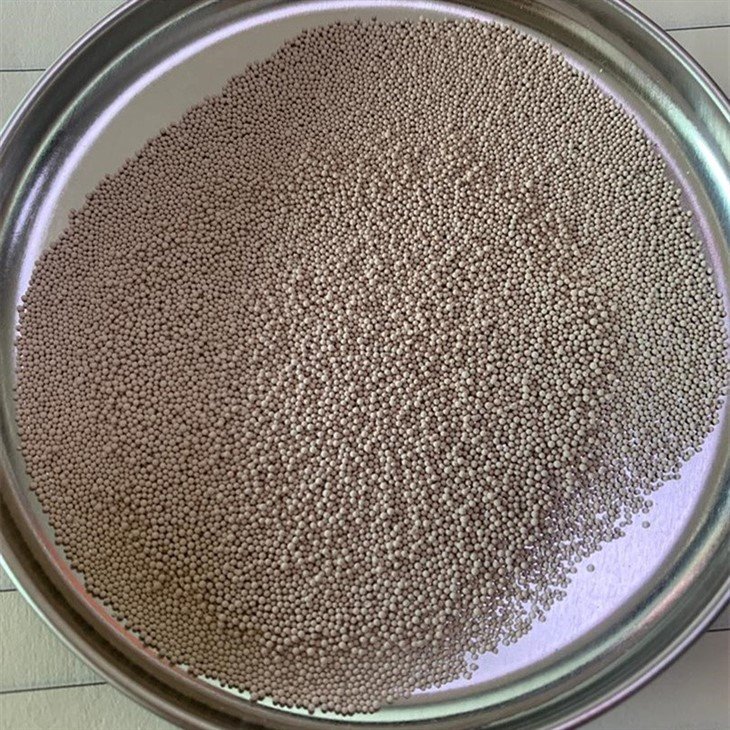
Paraffin separation adsorbents can be proposed in PSA (Pressure Swing Adsorption) gas phase, as well as in TIP (Total Izomerization Process) and Isosiv units. The target of these units is to boost the octane number of the C5-C6 isomerization unit by recycling the non-converted n-paraffins upstream of the unit.
Equilibrium and kinetic gas adsorption behaviors
Single-component equilibrium adsorption isotherms of C2-C4 olefins and paraffins were collected at different temperatures (273–323 K). illustrated the step-wise adsorption behavior of C2-C4 olefins, which can be attributed to the structural adaptability of flexible MOFs under guest stimuli30,37,39,46,47. At 1.0 bar, the C2H4 uptake reached 31.43 cm3 g−1 and 29.31 cm3 g−1 at 273 K and 298 K, respectively. Similarly, the adsorption capacity for C3H6 was measured to be 33.90 and 27.50 cm3 g−1 at 273 K and 298 K, respectively . Meanwhile, BFFOUR-Cu-dpds could adsorb 21.49 cm3 g−1 n-butene (n-C4H8) at 298 K, which increased to 24.54 cm3 g−1 at 283 K (Fig. 2c and Supplementary Fig. 18a). Note that C2-C4 paraffins, i.e., C2H6, C3H8, and n-butane (n-C4H10), were completely excluded by activated BFFOUR-Cu-dpds even at higher temperatures . Correspondingly, based on the experimental pore volume, the packing density of C2H4, C3H6, and n-C4H8 in BFFOUR-Cu-dpds achieved 471.47 g L−1, 653.92 g L−1, and 680.51 g L−1 at 298 K and 1.0 bar, which was 414.3, 383.1, and 298.8 times higher than the density of gaseous C2H4 (1.138 g L−1), C3H6 (1.707 g L−1), and n-C4H8 (2.276 g L−1) under similar conditions17,48. The time-dependent kinetic adsorption curves at 0.5 bar revealed an abrupt uptake point in <1 min for C2-C4 olefins and quickly reached equilibrium at ~13 min . The kinetic adsorption capacity of C2H4 (25.0 cm3 g−1), C3H6 (24.1 cm3 g−1), and n-C4H8 (14.7 cm3 g−1) was in good agreement with their corresponding equilibrium adsorption capacities. Meanwhile, no noticeable adsorption uptakes were observed on C2-C4 paraffins even after a prolonged period of ~70 mins. The kinetic adsorption curves at 1.0 bar showed a similar phenomenon.
Ideal adsorbed solution theory (IAST) was applied to estimate the separation selectivity for C2-C4 olefins/paraffins (0.5/0.5, v/v). The dual-site Langmuir-Freundlich (DLSF) model was employed to fit the adsorption isotherms with remarkable precision . Due to the stepwise adsorption behaviors, the IAST selectivity curves of C2-C4 olefins/paraffins exhibited an increasing trend along the increase of adsorption amounts 51. Specifically, BFFOUR-Cu-dpds showed a high IAST selectivity for C2H4/C2H6 (68.8), C3H6/C3H8 (108.4), and n-C4H8/n-C4H10 (22.9) at 298 K and 1.0 bar, surpassing many leading adsorbents such as Ni-gallate (16.8 for C2H4/C2H6), NOTT-300 (48.7 for C2H4/C2H6), ZnAtzPO4 (12.4 for C2H4/C2H6), Fe2(m-dobdc) (60 for C3H6/C3H8), and Fe2(dobdc) (14.7 for C3H6/C3H8)26,52,53,54,55. To avoid the overestimation of separation performances in molecular-sieving adsorbents by IAST calculations, an intuitive evaluation based on the olefin-to-paraffin uptake ratio was employed23,56,57,58,59. including HIAM-301 (11.47 for C3H6/C3H8), Co-gallate (10.87 for C2H4/C2H6) and JNU-3 (1.21 for C3H6/C3H8), NOTT-300 (5.03 for C2H4/C2H6)11,27,48,52. Although the scarcity of reported data, the uptake ratio for n-C4H8/n-C4H10 also surpassed monolayer AgNO3/SiO2 sorbent (8.33) and Ag+ ion impregnated clay (2.97)60,61. To the best of our knowledge, BFFOUR-Cu-dpds represents the example of simultaneous sieving of C2-C4 olefins and paraffins.

Breakthrough experiments for olefin/paraffin separations
Dynamic breakthrough experiments were conducted on BFFOUR-Cu-dpds columns using binary gas-mixtures of olefin/paraffin (0.5/0.5, v/v) at 298 K to confirm its practical separation performances . BFFOUR-Cu-dpds demonstrated efficient separations of C2-C4 olefin/paraffin binary gas-mixtures within a single adsorption column. For the gas-mixture of C2H4/C2H6 (0.5/0.5, v/v), C2H6 was rapidly eluted from the column at a flow rate of 1.0 mL min−1, while C2H4 exhibited substantial retention in the column for 28 min until saturation . Notably, the efficient C2H4/C2H6 separation was also obtained despite slightly decreased retention time under humid conditions (RH = 61.9%). Similarly, both C3H8 and n-C4H10 immediately broke through the column, whereas C3H6 and n-C4H8 were detected at retention times of 32.2 min and 21 min, respectively . Considering that the IAST selectivity and uptake ratio are determined by equilibrium effect, the dynamic selectivity based on breakthrough curves was calculated to be 9.16, 8.76, and 3.18 for equimolar C2H4/C2H6, C3H6/C3H8, and n-C4H8/n-C4H10, respectively. These values demonstrate comparable performance to top-ranking adsorbents, such as NUS-6(Hf)-Ag (4.4 for C2H4/C2H6)71, ZJU-75a (14.7 for C3H6/C3H8)72, Y-abtc (8.3 for C3H6/C3H8)73 and KAUST-7 (12.0 for C3H6/C3H8)8. The dynamic adsorption capacity for C2H4, C3H6, and n-C4H8 were calculated to be 17.05 cm3 g−1, 19.97 cm3 g−1, and 14.43 cm3 g−1 respectively, which closely matched their static adsorption amounts at 0.5 bar. Furthermore, clean separations of C2H4/C2H6 and C3H6/C3H8 could also be achieved at higher flow rates of 2.0 and 4.0 mL min−1 . Note that facile adsorbent regeneration was a critical process to obtain high-purity olefins. After reaching the breakthrough point, the column was purged with He sweeping at 5 mL min−1 and 333 K . The productivity of C2H4 and C3H6 with ≥99.5% purity was calculated to be 11.92 L kg−1 and 14.19 L kg−1 in a single adsorption-desorption cycle, which was comparable to the top-ranking adsorbents including UTSA-280 (22.08 L kg−1 99.2% C2H4)17, NOTT-300 (19.66 L kg−1 99.2% C2H4)52, KAUST-7 (10.7 L kg−1 98.3% C3H6)8, and Co-gallate (14.9 L kg−1 98.7% C3H6)11. Meanwhile, the productivity of n-C4H8 was estimated to be 7.4 L kg−1 with ≥90% purity.

Dynamic breakthrough experiments were conducted on BFFOUR-Cu-dpds columns using binary gas-mixtures of olefin/paraffin (0.5/0.5, v/v) at 298 K to confirm its practical separation performances . BFFOUR-Cu-dpds demonstrated efficient separations of C2-C4 olefin/paraffin binary gas-mixtures within a single adsorption column. For the gas-mixture of C2H4/C2H6 (0.5/0.5, v/v), C2H6 was rapidly eluted from the column at a flow rate of 1.0 mL min−1, while C2H4 exhibited substantial retention in the column for 28 min until saturation . Notably, the efficient C2H4/C2H6 separation was also obtained despite slightly decreased retention time under humid conditions (RH = 61.9%). Similarly, both C3H8 and n-C4H10 immediately broke through the column, whereas C3H6 and n-C4H8 were detected at retention times of 32.2 min and 21 min, respectively . Considering that the IAST selectivity and uptake ratio are determined by equilibrium effect, the dynamic selectivity based on breakthrough curves was calculated to be 9.16, 8.76, and 3.18 for equimolar C2H4/C2H6, C3H6/C3H8, and n-C4H8/n-C4H10, respectively. These values demonstrate comparable performance to top-ranking adsorbents, such as NUS-6(Hf)-Ag (4.4 for C2H4/C2H6)71, ZJU-75a (14.7 for C3H6/C3H8)72, Y-abtc (8.3 for C3H6/C3H8)73 and KAUST-7 (12.0 for C3H6/C3H8)8. The dynamic adsorption capacity for C2H4, C3H6, and n-C4H8 were calculated to be 17.05 cm3 g−1, 19.97 cm3 g−1, and 14.43 cm3 g−1 respectively, which closely matched their static adsorption amounts at 0.5 bar. Furthermore, clean separations of C2H4/C2H6 and C3H6/C3H8 could also be achieved at higher flow rates of 2.0 and 4.0 mL min−1 . Note that facile adsorbent regeneration was a critical process to obtain high-purity olefins. After reaching the breakthrough point, the column was purged with He sweeping at 5 mL min−1 and 333 K . The productivity of C2H4 and C3H6 with ≥99.5% purity was calculated to be 11.92 L kg−1 and 14.19 L kg−1 in a single adsorption-desorption cycle, which was comparable to the top-ranking adsorbents including UTSA-280 (22.08 L kg−1 99.2% C2H4)17, NOTT-300 (19.66 L kg−1 99.2% C2H4)52, KAUST-7 (10.7 L kg−1 98.3% C3H6)8, and Co-gallate (14.9 L kg−1 98.7% C3H6)11. Meanwhile, the productivity of n-C4H8 was estimated to be 7.4 L kg−1 with ≥90% purity .
Paraffin Separation Adsorbents of Summary
Light olefins are the precursors of all modern-day plastics. Olefin is always mixed with paraffins in the time of production, and therefore it needs to be separated from paraffins to produce polymer-grade olefin. The state-of-the-art separation technique, cryogenic distillation, is highly expensive and hazardous. Adsorption could be a novel, sustainable, and inexpensive separation strategy, provided a suitable adsorbent can be designed. There are different types of mechanisms that were harnessed for the separation of olefins by adsorption, and in this review, we have focused our discussion on those mechanisms. These mechanisms include,
●Affinity-based separation, like pi complexation and hydrogen bonding,
●Separation based on pore size and shape, like size-exclusion and gate-opening effect,
●Non-equilibrium separation, like kinetic separation. In this review, we have elaborated each of the separation strategies from the fundamental level and explained their roles in the separation processes of different types of paraffins and olefins.
The Using Steps of Paraffin Separation Adsorbents
The steps involved in each cycle were as follows:
Pressurization with the feed gas (mixture of 50% olefin and 50% paraffin on mo- lar basis).
High-pressure adsorption with feed gas, that is, feedstep.
High-pressure cocurrent purge with part of the olefin-rich product obtained in step.
Countercurrent.
Hydrofining Catalyst

Lube oil hydrofining is a catalytic technology to prepare lube base stocks for further processing or it may be used as a base-stock finishing step. The process is usually integrated Exol N technology, into an Exolfining configuration, to treat the waxy raffinate from extraction upstream from the lube dewaxing unit.
A catalyst and process are described for hydrofining petroleum wax comprising contacting the wax with hydrogen in the presence of a catalyst comprising at least one metal hydrogenating component on a porous alumina/silica carrier containing from about 0.2 to 5 wt.% of an alkali metal component. The catalyst has a specific surface area of about 200 to 300 m/sup 2//g and has the following characteristics:
●Volume of pores having a diameter in the range of 60 to 150 a is greater than 80% of the volume of pores having a diameter in the range of 0 to 150 a.
●Volume of pores having a diameter in the range of 0 to 600 a is in the range of about 0.45 to 0.60 ml.

Hydrotreating in Petroleum Processing
Hydrotreating or catalytic hydrogen treating removes objectionable materials from petroleum fractions by selectively reacting these materials with hydrogen in a reactor at relatively high temperatures and at moderate pressures. These objectionable materials include, but are not solely limited to, sulfur, nitrogen, olefins, and aromatics. The lighter distillates, such as naphtha, are generally treated for subsequent processing in catalytic reforming units, and the heavier distillates, ranging from jet fuels to heavy vacuum gas oils, are treated to meet strict product quality specifications or for use as feedstocks elsewhere in the refinery.
Hydrofining Catalyst of Features
Modified Al2O3 as a carrier, the special manufacturing technique ensures the uniform dispersion of active components Co and Mo.
Good hydrogenation activity and stability in activity; simultaneously exhibits excellent hydrodesulfurization, hydrodenitrogenation and olefin saturation abilities.
Adaptable to operating condition fluctuation, good operation flexibility, long service life.
Hydrofining Catalyst of Role
Apply to the desulfurization and denitrogenation processes of naphtha.
Apply to the desulfurization and denitrogenation processes of kerosene.
Apply to the hydrofining pretreatment of reforming feedstock.
PRODUCT BASIC INFO
|
Operating temperature/℃ |
260~380 |
|
Pressure/MPa |
1.0~8.0 |
|
Volume space velocity/h-1 |
2.0~12.0 |
|
Hydrogen oil ratio |
100~600 |
PRODUCT SPECIFICATION
|
Color and shape |
Faint yellow, clover extrudate |
|
Size/mm |
Φ1.2/Φ1.6/Φ2.0/Φ2.5 |
|
Active components |
Ni-Mo |
|
Bulk density/(kg.L-1) |
0.65~0.75 |
|
Crushing strength/(N.cm-1) |
≥150 |
He invention pertains to a process for activating an hydrotreating catalyst comprising a Group VIB metal oxide and a Group VIII metal oxide which process comprises contacting the catalyst with an acid and an organic additive which has a boiling point in the range of 80-500° C. and a solubility in water of at least 5 grams per liter (20° C., atmospheric pressure), optionally followed by drying under such conditions that at least 50% of the additive is maintained in the catalyst. The hydrotreating catalyst may be a fresh hydrotreating catalyst or a used hydrotreating catalyst which has been regenerated.
Chloride Removal
The deoxidizer is used in food packaging to reduce the oxygen content in the package and to extend the shelf life. There are various functions of deoxidizer on the market, such as deodorization and moisture absorption, but its main function is still deoxidizer.

By Deoxidation Methods
Unavoidably, there will be part of ferric oxide left in molten steel during the smelting process, which reduce the steel quality. Thus, deoxidation is needed during the ingot casting. The steel made by different deoxidation methods has various properties. Therefore, there is rimmed steel, fully-killed steel, and semi-killed (or semi-deoxidized) steel.
Rimmed Steel
It is the unkilled only by ferromanganese, a weak deoxidizer. Because the remained FeO in the molten steel can generate CO with C, there are a lot of foams in the process of casting ingot, like boil, known as rimmed steel. Its organization is not dense enough and contains foams, so the quality is poor; but the rate of finished products is high and the cost is low.
Fully-killed Steel
This kind of steel is deoxidized thoroughly with a certain amount of silicon, manganese, and aluminum deoxidizers. Because deoxidation is thorough, the molten steel can solidify calmly in ingot casting, known as fully-killed steel. Its organization is dense, chemical elements are even, and properties are stable, so its quality is good. However, the productivity is low, so the cost is high. It can be employed in the steel structures used to bear impacts, vibration or important welding.
Semi-killed Steel
Its deoxidation degree and quality are between the above two.
What is the difference between deoxidizer and reductant
Function
Deoxidizer is used to remove oxygen from metals and alloys, while reductant is used to reduce the oxidation state of a compound.
01
Application
Deoxidizer is used in metallurgy and welding, while reductant is used in chemistry and industrial processes.
02
Target
Deoxidizer targets oxygen specifically, while reductant can target other elements as well.
03
Reaction
Deoxidizer undergoes oxidation itself, while reductant undergoes reduction.
04
Examples
Deoxidizer is commonly used in steelmaking, while reductant is commonly used in organic chemistry.
05
What are the different types of Deoxidizers
There are three primary elements that manufacturers use as deoxidizers: manganese, silicone and aluminum. Occasionally they also use titanium or zirconium. Manganese, along with providing reliable deoxidizing capabilities, also increases strength in the completed weld.
What does a deoxidizer do
Corrosion occurs when bare aluminum is exposed to oxygen and moisture. Extended time in a deoxidizer will remove and inhibit further corrosion of the metal. Chemical processes common to preparing the metal for such surface finishing as anodizing, plating or painting put aluminum at risk for corrosion.
Our Factory
Shandong Synergy Tech Co., Ltd is a leading manufacturer of chemical materials, adsorbents, desiccants, and catalysts in Petroleum and petrochemical industry. Our company, founded in 2015, is situated in Zibo, Shandong, a renowned city for its classical heavy industries. We operate on a 30 mu area, with a registered capital of 16 million yuan and a dedicated team of 115 employees, including 6 senior engineers and 10 technical engineers.


FAQ
We're professional purfication adsorbents manufacturers and suppliers in China. If you're going to buy high quality purfication adsorbents made in China, welcome to get more information from our factory.
Paraffin Separation Adsorbents, 5A molecular sieve spheres for alkyl benzene molex unit, adsobents for Hydrodesulfurization